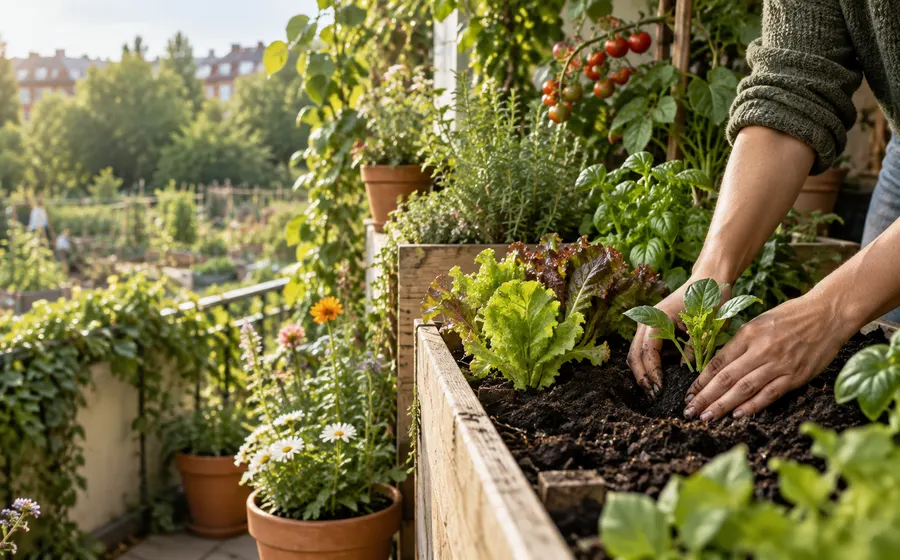
 Grow
GrowGrow herbs on a windowsill
Give a sunny corner a job with basil, chives, mint, or parsley in reused containers.
Try this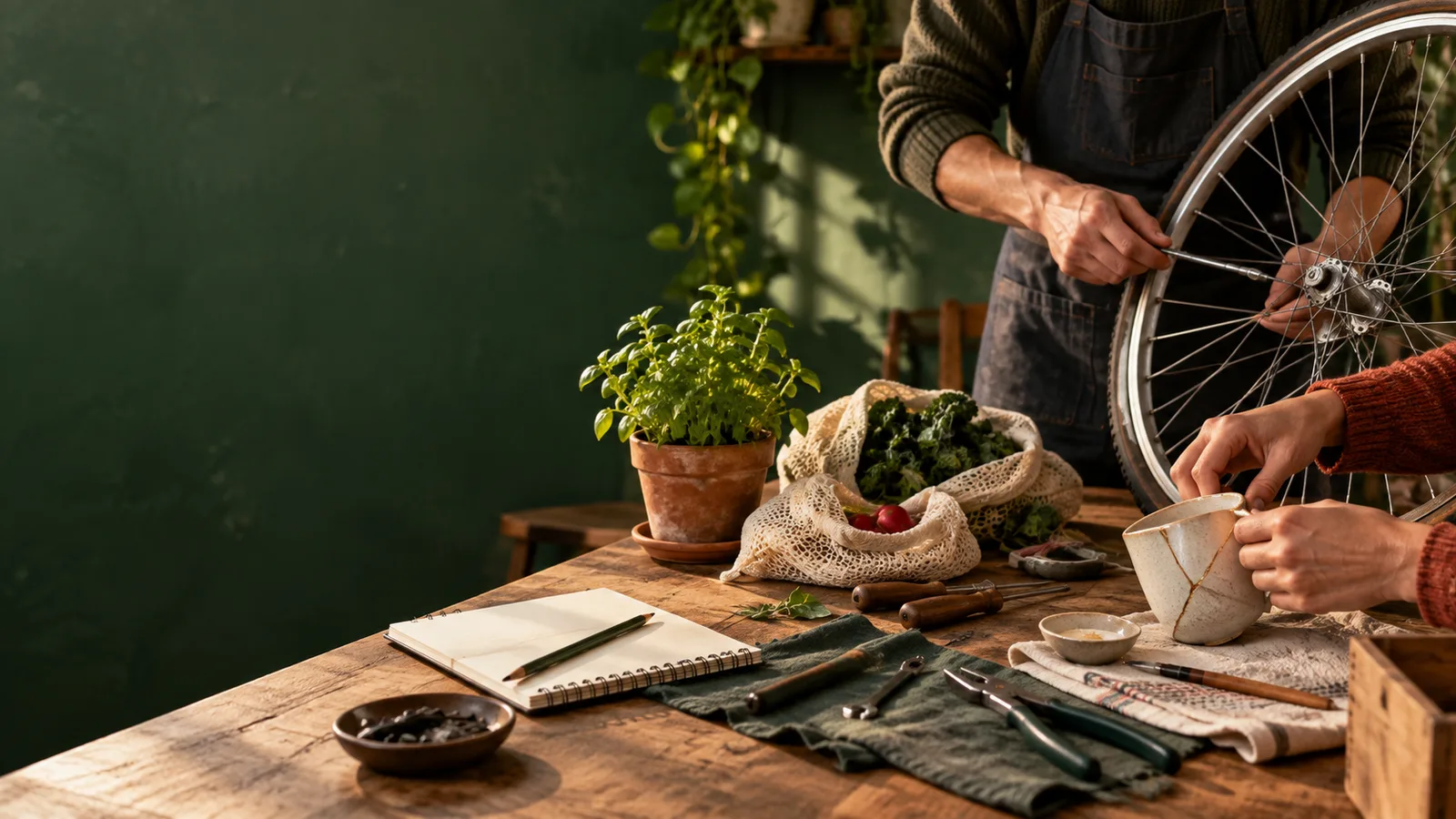
Actions
Start with the time, space, or curiosity you have. Every action includes why it matters, how to begin, and the sources behind it.
Choose your starting point
There is no perfect starting line. Pick the time, space, or curiosity you have today.
Showing 11 of 11 actions that fit your filters.
GrowGive a sunny corner a job with basil, chives, mint, or parsley in reused containers.
Try this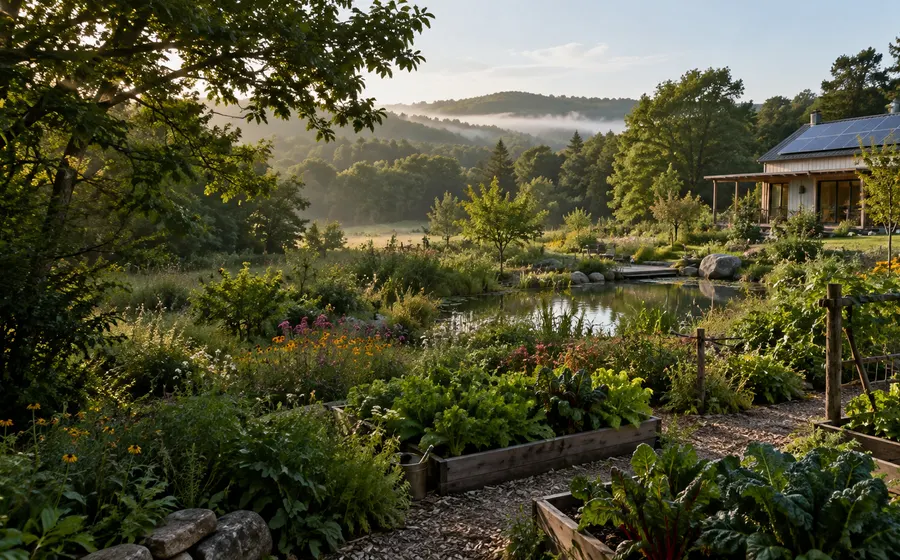 Circular living
Turn kitchen scraps and dry garden material into a useful soil amendment, even in a small space.
Try this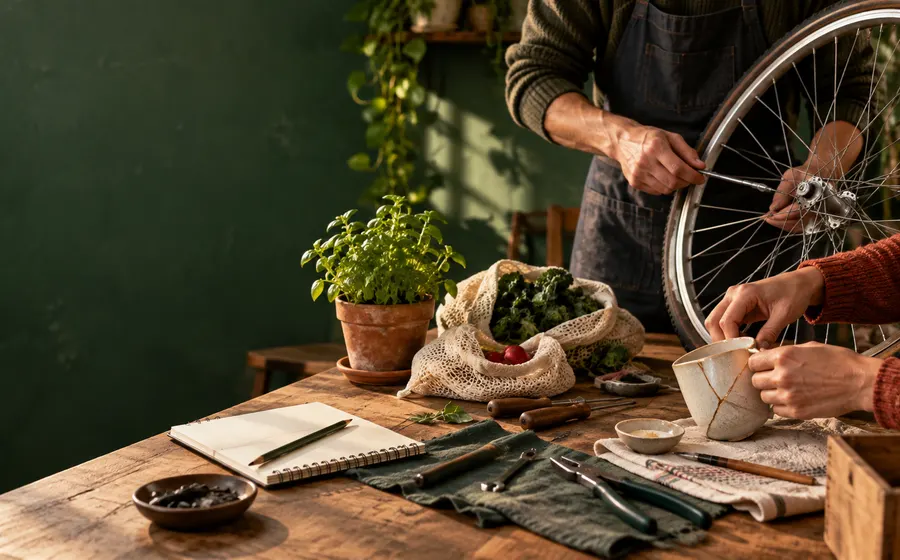 Circular living
Choose one object with a small fault and spend ten minutes finding the simplest repair.
Try thisGrowAdd mulch, living ground cover, or a simple layer of leaves to protect bare soil.
Try this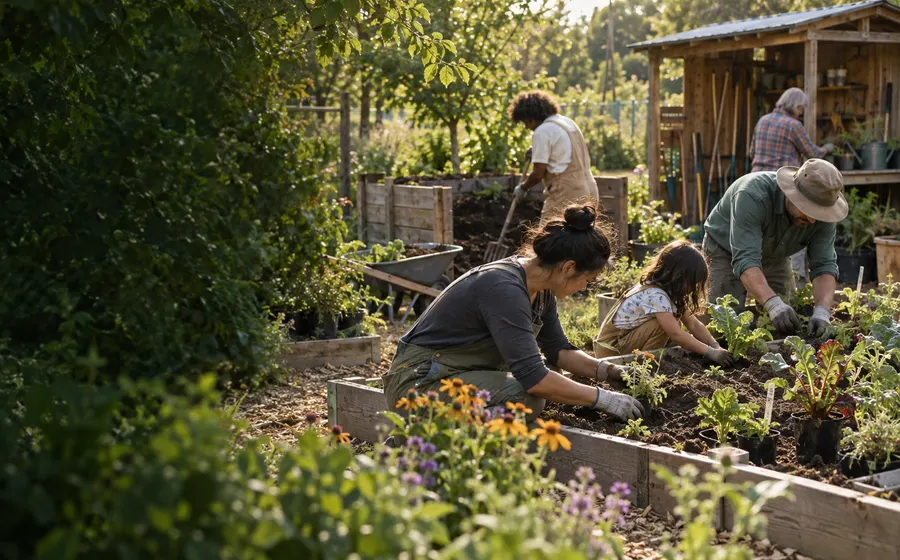 Nature
Plant a mix of locally appropriate flowers that bloom across more than one season.
Try this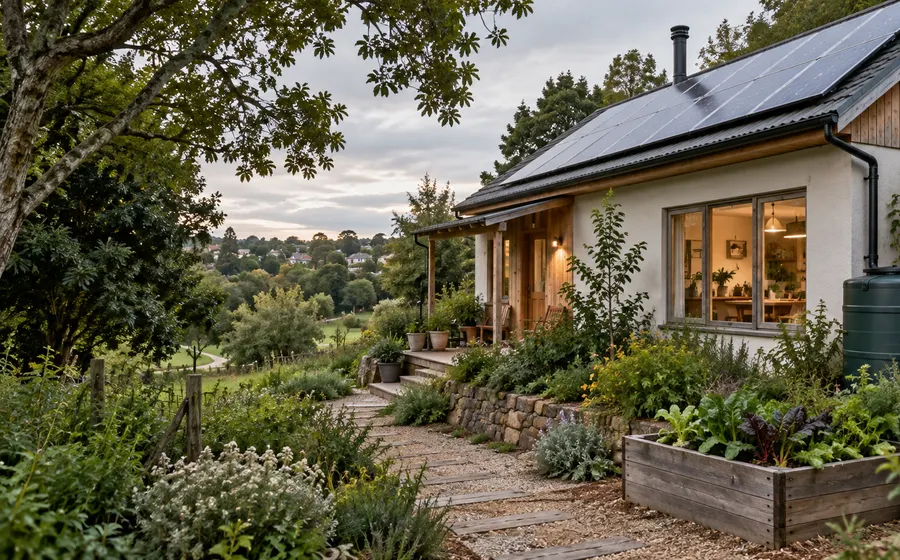 Energy
Find the devices that are always on, then change one habit or setting.
Try thisEnergyUse a location-based estimate to understand the shape of sunlight across a year.
Try this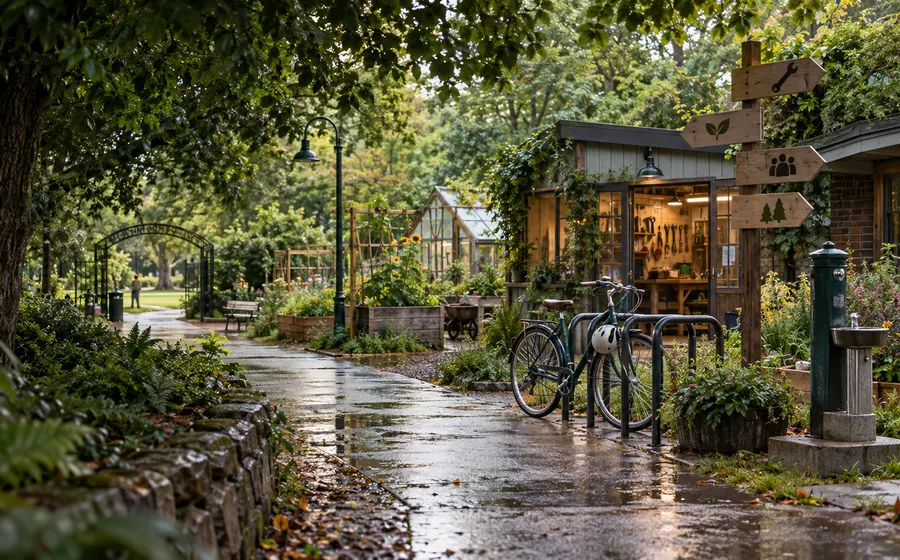 Circular living
Choose one product you regularly buy and find a way to refill, reuse, or buy in a larger format.
Try this Water
WaterWatch one rainfall and sketch the paths, puddles, drains, and places where water could soak in.
Try thisCircular livingAsk a neighbor, library, or community workshop whether a rarely used tool can have more than one owner.
Try thisGrowPick a local ingredient that is abundant now and learn one simple way to preserve or cook it.
Try thisAction library
These are structured local actions, not dynamic advice from an LLM. Use the sources to learn more and adapt them to your place.
Grow · Easy
Give a sunny corner a job with basil, chives, mint, or parsley in reused containers.
Try it like this
Why it matters. Growing a small amount of food makes seasonal rhythms tangible and can reduce the distance between care and cooking.
Circular living · A little learning
Turn kitchen scraps and dry garden material into a useful soil amendment, even in a small space.
Try it like this
Why it matters. Composting keeps organic material in a useful cycle and returns structure and life to soil.
Circular living · A little learning
Choose one object with a small fault and spend ten minutes finding the simplest repair.
Try it like this
Why it matters. Keeping useful objects in service avoids new material extraction and builds confidence with practical skills.
Grow · A little learning
Add mulch, living ground cover, or a simple layer of leaves to protect bare soil.
Try it like this
Why it matters. Covered soil is less exposed to erosion and temperature swings, and organic matter feeds soil life as it breaks down.
Nature · Easy
Plant a mix of locally appropriate flowers that bloom across more than one season.
Try it like this
Why it matters. A varied patch offers food and shelter for insects and makes everyday biodiversity easier to notice.
Energy · Easy
Find the devices that are always on, then change one habit or setting.
Try it like this
Why it matters. Small efficiency changes are easier to keep when they are tied to a visible routine at home.
Energy · A little learning
Use a location-based estimate to understand the shape of sunlight across a year.
Try it like this
Why it matters. A clear first estimate helps you ask better questions before spending money on a system.
Circular living · Easy
Choose one product you regularly buy and find a way to refill, reuse, or buy in a larger format.
Try it like this
Why it matters. A repeatable routine can reduce packaging without asking for perfection in every purchase.
Water · Easy
Watch one rainfall and sketch the paths, puddles, drains, and places where water could soak in.
Try it like this
Why it matters. Seeing water as part of a place is a useful first step toward better planting, soil, and runoff decisions.
Circular living · Easy
Ask a neighbor, library, or community workshop whether a rarely used tool can have more than one owner.
Try it like this
Why it matters. Sharing increases access while reducing the need for every household to buy and store the same occasional-use items.
Grow · Easy
Pick a local ingredient that is abundant now and learn one simple way to preserve or cook it.
Try it like this
Why it matters. Seasonal food connects eating with place and can make lower-waste choices feel creative instead of restrictive.