Start here
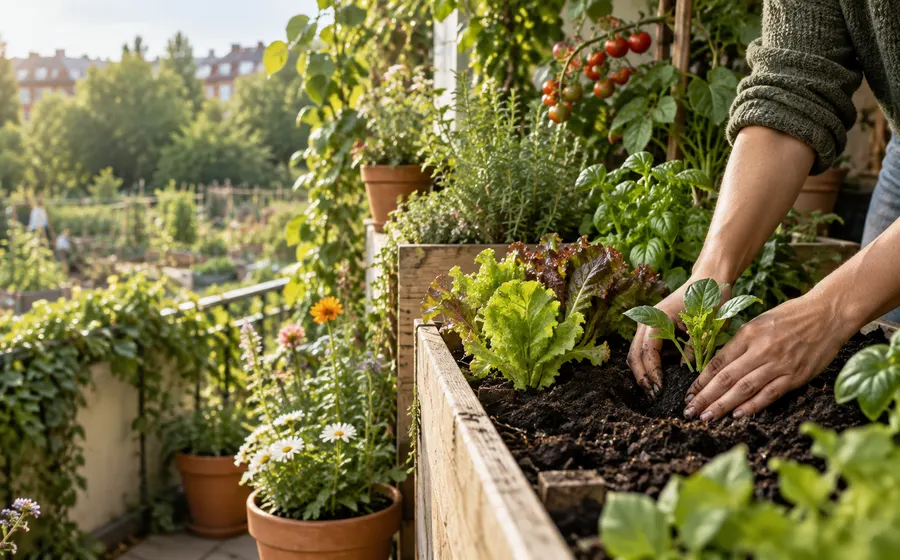
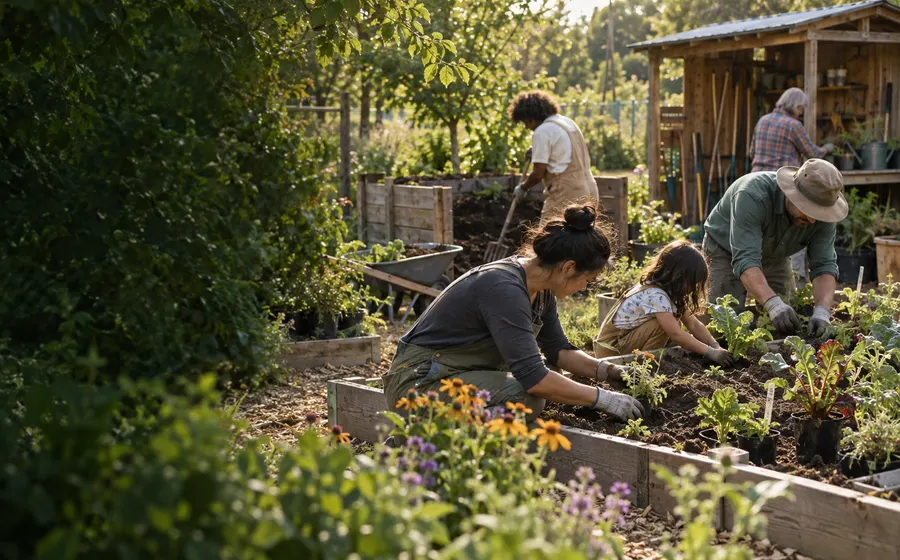
Grow your first food
A low-pressure path from a sunny windowsill to a tiny edible harvest.
20 minutes · Start hereOpen
Learn
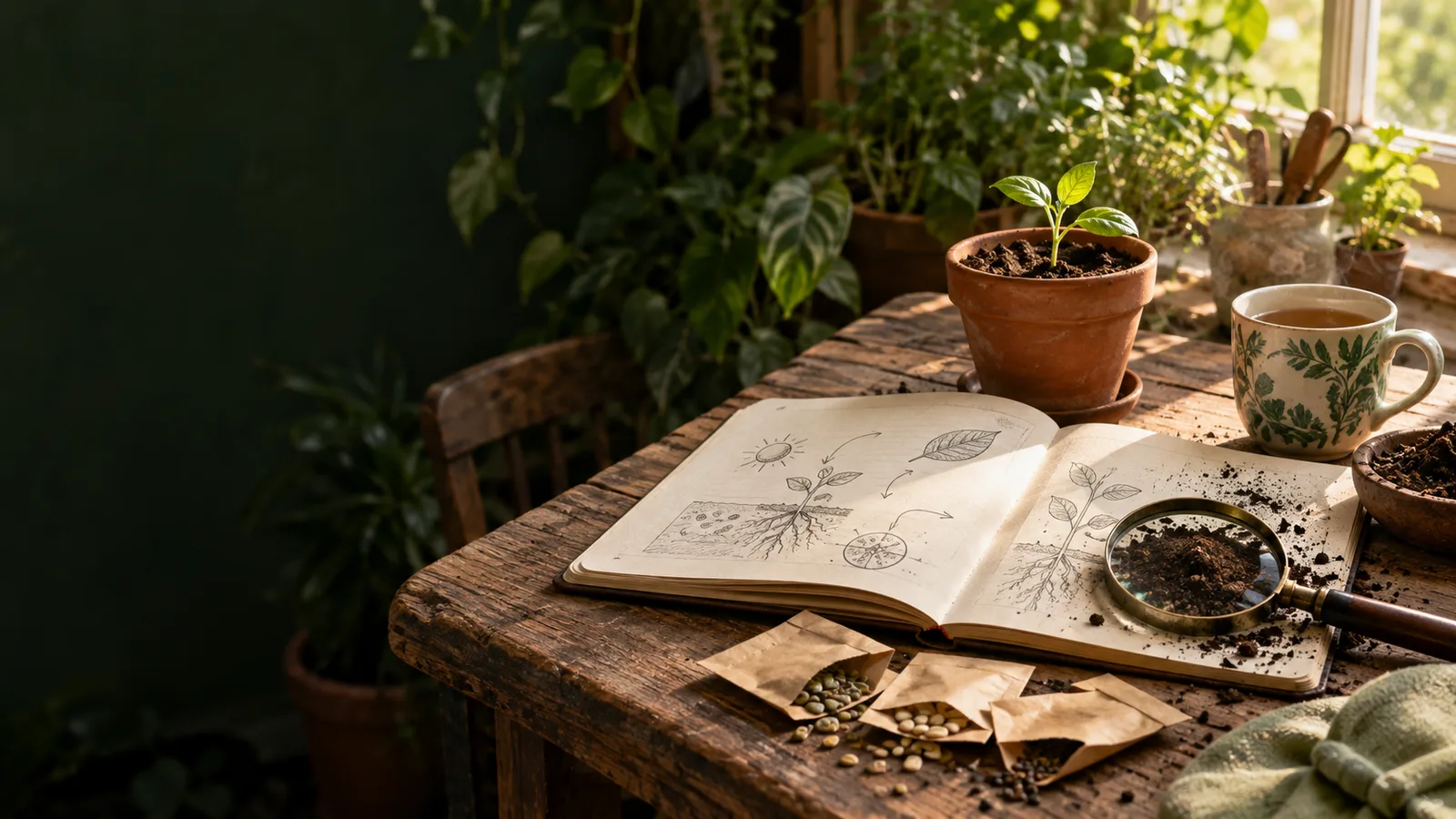
Short pathways for people who want to understand enough to take a better next step—not sit an exam.
Learning pathways
Start with an approachable lesson, then follow the source if you want to go deeper.
Start here
A low-pressure path from a sunny windowsill to a tiny edible harvest.
Grow
Learn to read texture, drainage, roots, and organic matter before reaching for a product.
Circular living
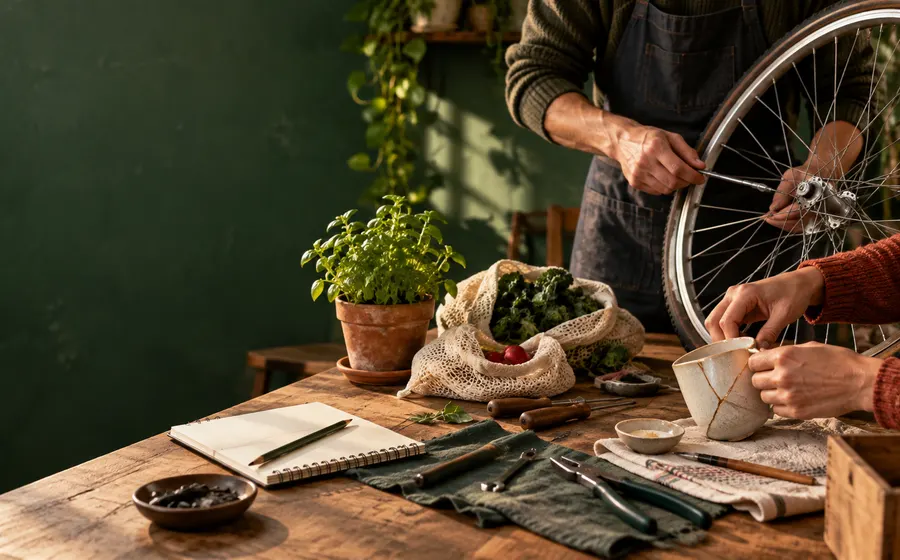
Understand the green-and-brown balance and choose a composting route that fits your space.
Home
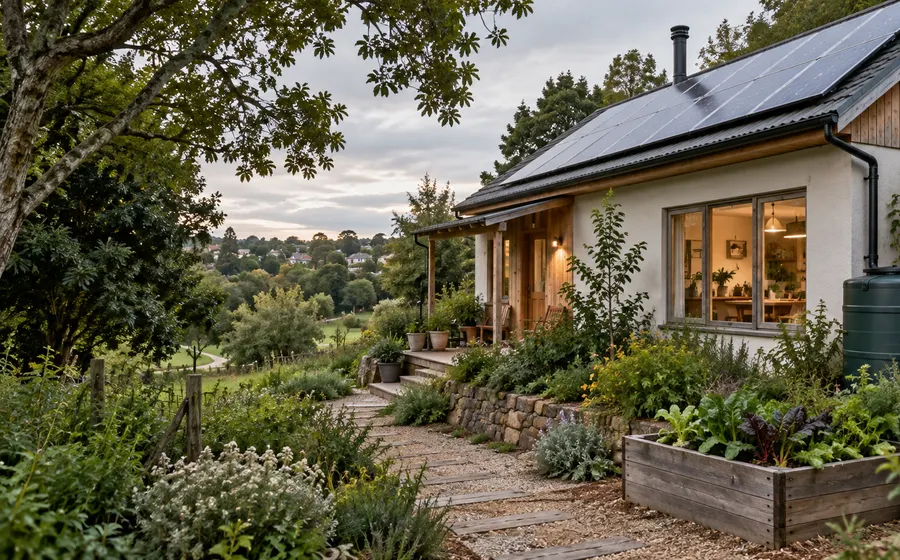
Work from comfort and efficiency: notice heat, air, water, and materials before adding technology.
Energy
A plain-English tour of sunlight, wind, storage, and the grid transition.
Nature
Learn what observations can tell you, what they cannot, and how to contribute responsibly.
Stories
Grow
A practical introduction to observing structure, moisture, roots, and the life already present in a growing space.
Read the original source ↗Energy
From a rooftop panel to a community solar project, follow the simple questions that turn a big system into a next step.
Read the original source ↗Circular living
Repair cafés, refill shops, libraries, and second-hand networks turn infrastructure into an invitation to share.
Read the original source ↗Nature
Citizen science is a way to notice species, seasons, and habitat without pretending one observation tells the whole ecological story.
Read the original source ↗Energy
A simple way to understand renewable generation, electricity demand, and why a changing mix still needs practical local choices.
Read the original source ↗
Water
Water stress describes pressure on available resources; it is useful context, but it is not a measure of whether tap water is safe to drink.
Read the original source ↗Circular living
Keeping products useful depends on skills, spare parts, access, and designs that make maintenance possible in the first place.
Read the original source ↗Grow
Plant residues, roots, compost, moisture, and living organisms work together over time; one product cannot replace observation and care.
Read the original source ↗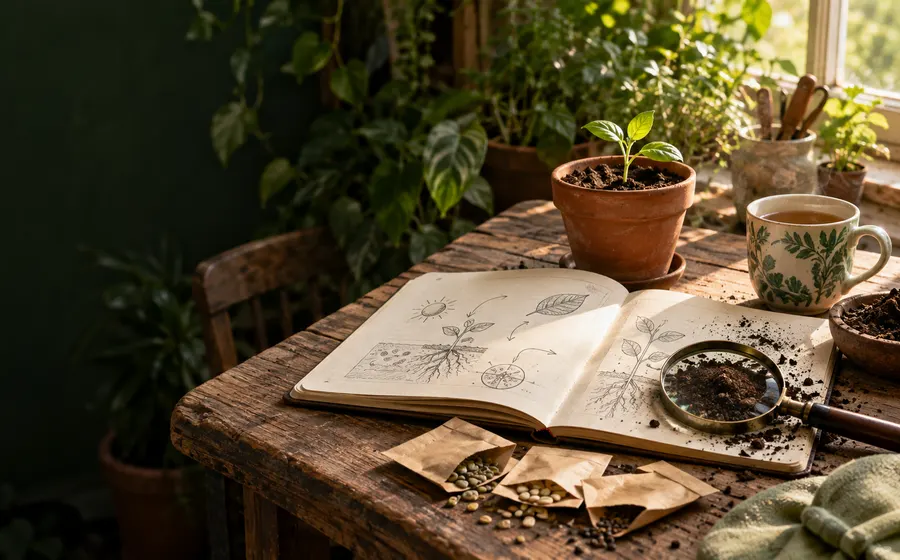
Digital sustainability
Web hosting, device life, data transfer, and design choices all matter—but estimates should be labelled as estimates, not presented as precise measurements.
Read the original source ↗Home
A model can show seasonal potential for a location, while roof orientation, shading, permissions, wiring, and an installer determine what is practical.
Read the original source ↗Nature
Citizen-science records can help us notice species and seasons while still leaving room for uneven observation effort and missing data.
Read the original source ↗See → Understand → Act → Join
Use an indicator, lesson, or story as a doorway into practice. Then share what you learn with the people and place around you.